

Foundational Reading
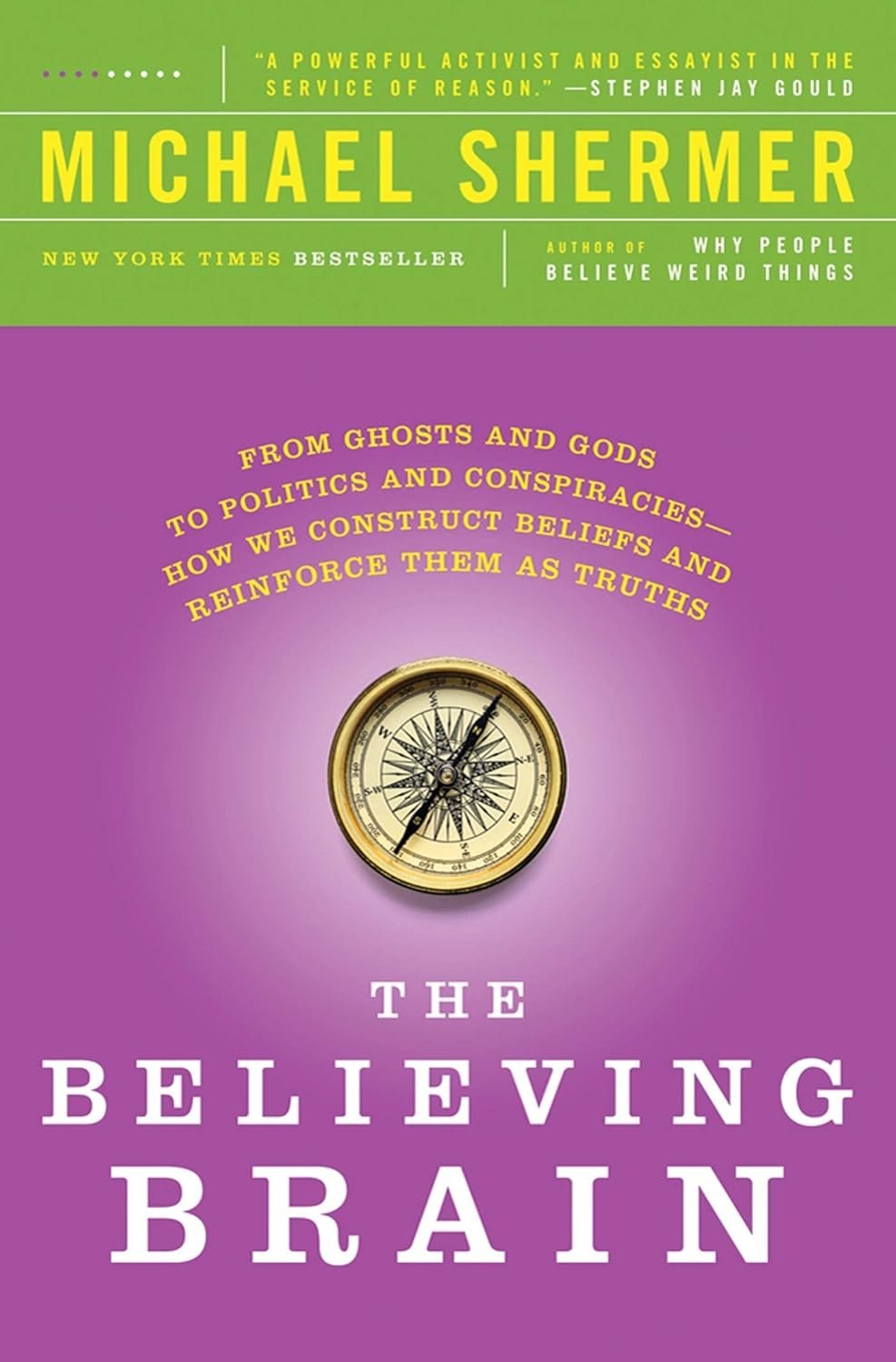
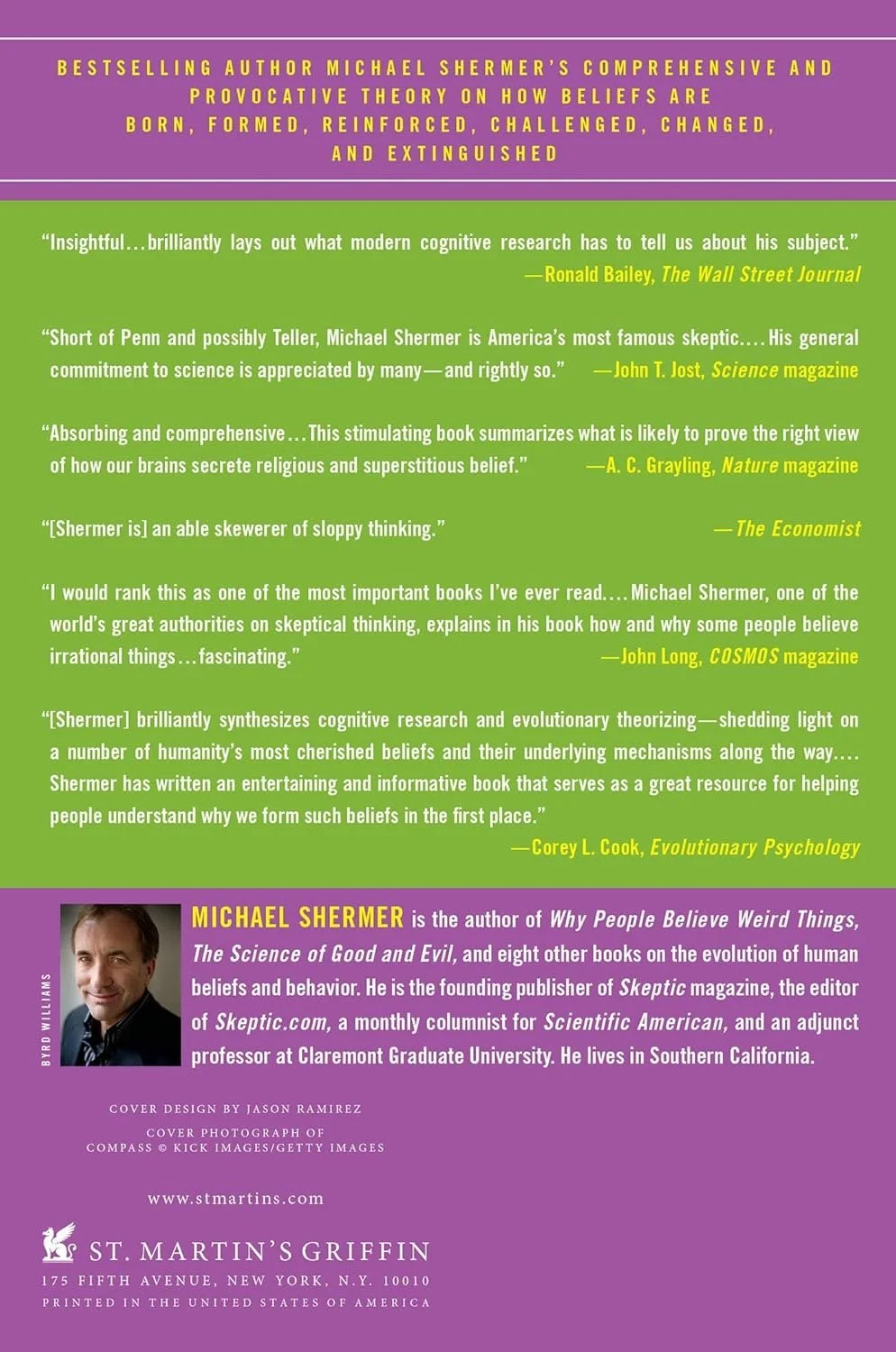
The Believing Brain by Michael Shermer explores how and why humans form beliefs, even when those beliefs are inaccurate or unsupported by evidence. Drawing on neuroscience, psychology, and evolutionary biology, Shermer explains that the brain is a “belief engine,” constantly searching for patterns and meaning in the world. While this tendency has helped humans survive and innovate, it also makes us vulnerable to false assumptions, misinformation, and deeply held but incorrect conclusions.
Shermer introduces the concepts of patternicity—the tendency to find meaningful patterns in random data—and agenticity—the inclination to attribute intention or agency where none exists. Together, these cognitive processes explain why people believe in conspiracies, superstitions, ideological certainties, and rigid narratives, even in the face of contradictory evidence. The book examines how these mechanisms operate across religion, politics, economics, and science.
Rather than dismissing belief as irrational, Shermer argues that belief formation is a natural outcome of how the brain evolved. He explores how emotional investment, identity, and social reinforcement often play a stronger role in shaping beliefs than logic or data. The book also addresses confirmation bias, hindsight bias, and other cognitive shortcuts that influence decision-making at both individual and collective levels.
Throughout the book, Shermer blends scientific research with real-world examples, making complex cognitive science accessible to a general audience. The Believing Brain ultimately encourages skepticism—not cynicism—as a disciplined approach to thinking. By understanding how beliefs form and persist, readers gain tools to question assumptions, evaluate claims more carefully, and better navigate a world filled with competing narratives and information overload.
Significance?
This book is significant because it explains how beliefs are formed, reinforced, and defended—often independent of facts or evidence. Michael Shermer’s exploration of cognitive bias, pattern recognition, and belief formation aligns closely with the importance of disciplined thinking, skepticism, and intellectual self-awareness. For those following the work of Kiernan Major, the book underscores the value of questioning narratives, resisting ideological shortcuts, and understanding how perception can be shaped by emotion, identity, and social pressure. By examining how beliefs influence decisions at both personal and societal levels, The Believing Brain provides insight into why critical thinking and careful analysis are essential when navigating complex systems, power structures, and information environments.